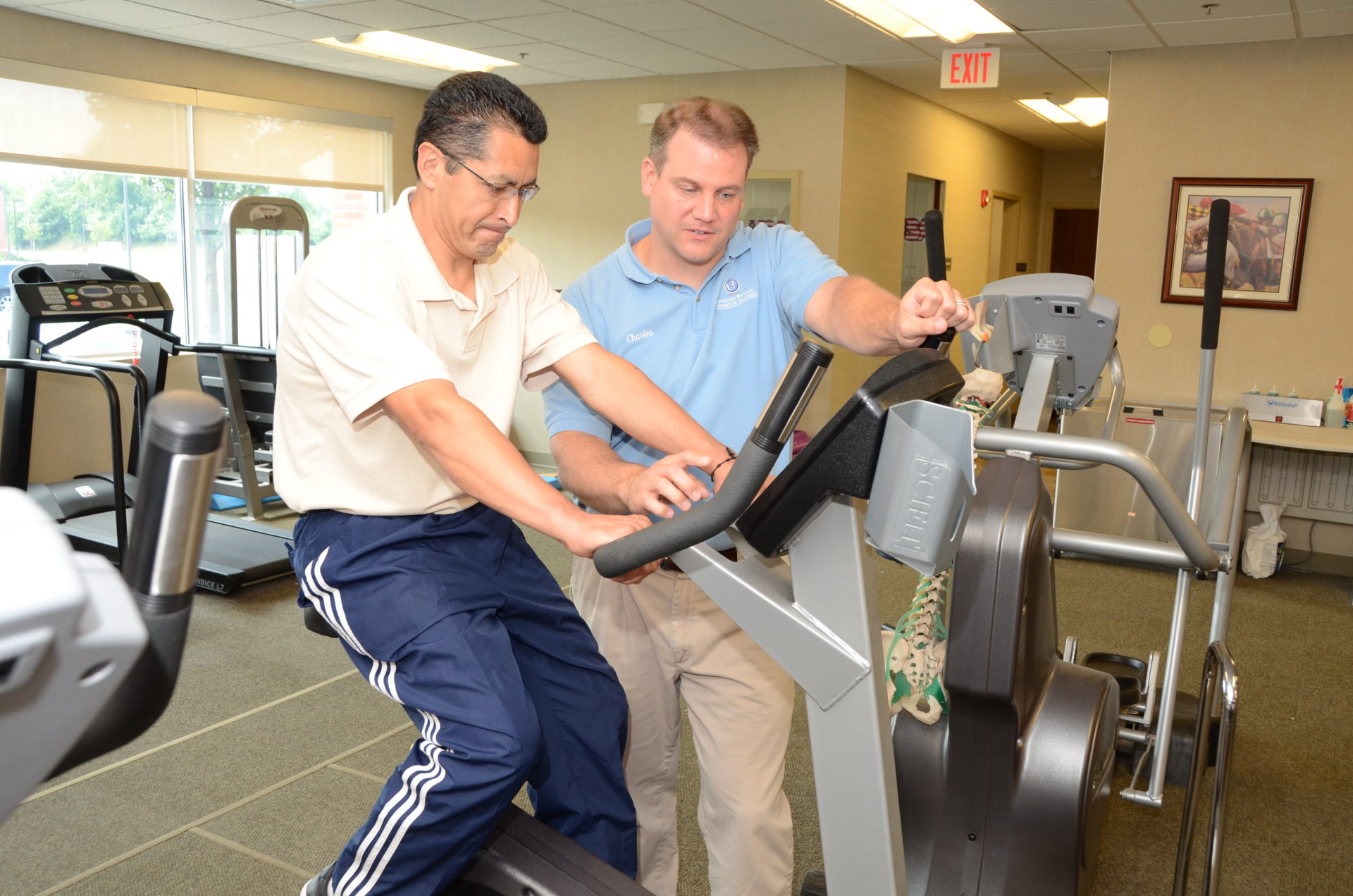
Choosing the right physical therapist is a crucial step in your recovery journey. Whether physical therapy are healing from an accident, dealing with a chronic condition, or preparing for an operation, a capable therapist can make a major difference in your recovery. However, with so many alternatives available, how do you know if a physical therapist is truly skilled and dependable? Understanding the key signs of a qualified professional can help you make an informed decision that supports your needs.
In this article, we will explore the essential qualities that set remarkable physical therapist s from their peers. From their approach to individualized attention to their commitment to continuous education, we will lead you through what to look for and the cautions to avoid. Knowing what to expect and how to identify the best therapist for your unique situation is essential to obtaining successful outcomes in your recovery. We will examine the qualities that indicate a reliable physical therapist who genuinely cares about your welfare.
Signs of a Skilled Physical Therapist
A skilled physical therapist demonstrates a deep understanding of anatomy and physiology, allowing them to effectively evaluate and treat a variety of conditions. They use this expertise to develop customized treatment plans that cater to the specific needs of each patient. This individualized approach not only enhances the effectiveness of therapy but also instills trust in their patients. When the therapist can explain the justification behind treatment options and address any concerns, it reflects their in-depth knowledge and commitment to patient care.
Another important sign of a skilled physical therapist is their ability to communicate clearly and empathetically. They actively listen with their patients, ensuring that they understand each person’s individual challenges and goals. This communication extends beyond just verbal interactions; a great therapist also provides educational resources and encourages questions, making the patient feel involved in their recovery journey. A supportive therapist fosters an environment where patients feel at ease sharing their thoughts and progress, further enhancing the therapeutic relationship.
Additionally, a knowledgeable physical therapist stays current with the latest advancements and techniques in the field. They engage in continued education and training, showcasing their passion to providing the highest quality care. Being aware of new research and emerging therapies allows them to incorporate innovative approaches into treatment plans, ensuring patients receive state-of-the-art and effective care strategies. This commitment to professional growth sets remarkably outstanding therapists apart and ensures they can handle a range of clinical scenarios with assurance.
What exactly to Consider in a Qualified Expert
As you selecting a certified physical therapist, it is essential to focus on their credentials and background. Look for a therapist who possesses a valid license and appropriate certifications, as these qualifications reflect a commitment to upholding professional benchmarks. Additionally, consider their years of practice and any additional training they may have completed, particularly if you require care for specific conditions or injuries. A therapist with a diverse background in multiple techniques often demonstrates versatility and a thorough understanding of patient needs.
Another crucial aspect is the therapist's approach to patient care. An outstanding physical therapist will value communication, actively listening to your concerns and goals. Look for someone who collaborates with you to create a tailored treatment plan, addressing your unique circumstances and preferences. This personalized care is often a strong indicator of their dedication to your healing process and suggests they recognize the significance of building a trusting relationship with their patients.
Lastly, consider the therapist's reputation within the community. go to website and testimonials can offer invaluable insights into their approach and effectiveness. A capable therapist should not only have positive feedback but also demonstrate a genuine willingness to adapt their methods based on what works best for you. Avoid professionals with a high incidence of complaints or negative experiences, as these warning signs can signal potential issues regarding their practice and commitment to patient satisfaction.
Questions to Ask Before Choosing
As you are selecting a physical therapist, it is crucial to inquire about their qualifications and background. Inquire about their educational background, certifications, and specializations. Knowing their methodology to treatment will help you determine if their methods align with your requirements. Additionally, inquire how long they have been practicing and whether they have expertise treating your particular issue.
An additional critical area to consider is the therapist's approach to patient care. Ask how they develop treatment plans and how they involve patients in the decision-making process. A good therapist should be able to explain their techniques clearly and how these will help you achieve your recovery goals. It's also important to know how they measure progress and adjust treatment plans based on patient feedback.
Finally, don't be afraid to inquire about the practical aspects of care. Inquire about the availability of appointments, cancellation policies, and whether they offer alternative options like telehealth or home-based therapy. Knowing the financial aspects, including costs and insurance coverage, is vital to avoid any surprise costs. This data will help you confirm that the therapist's services fit well within your lifestyle and needs.